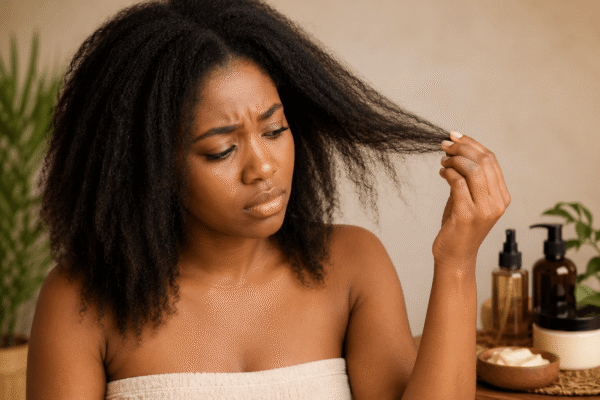
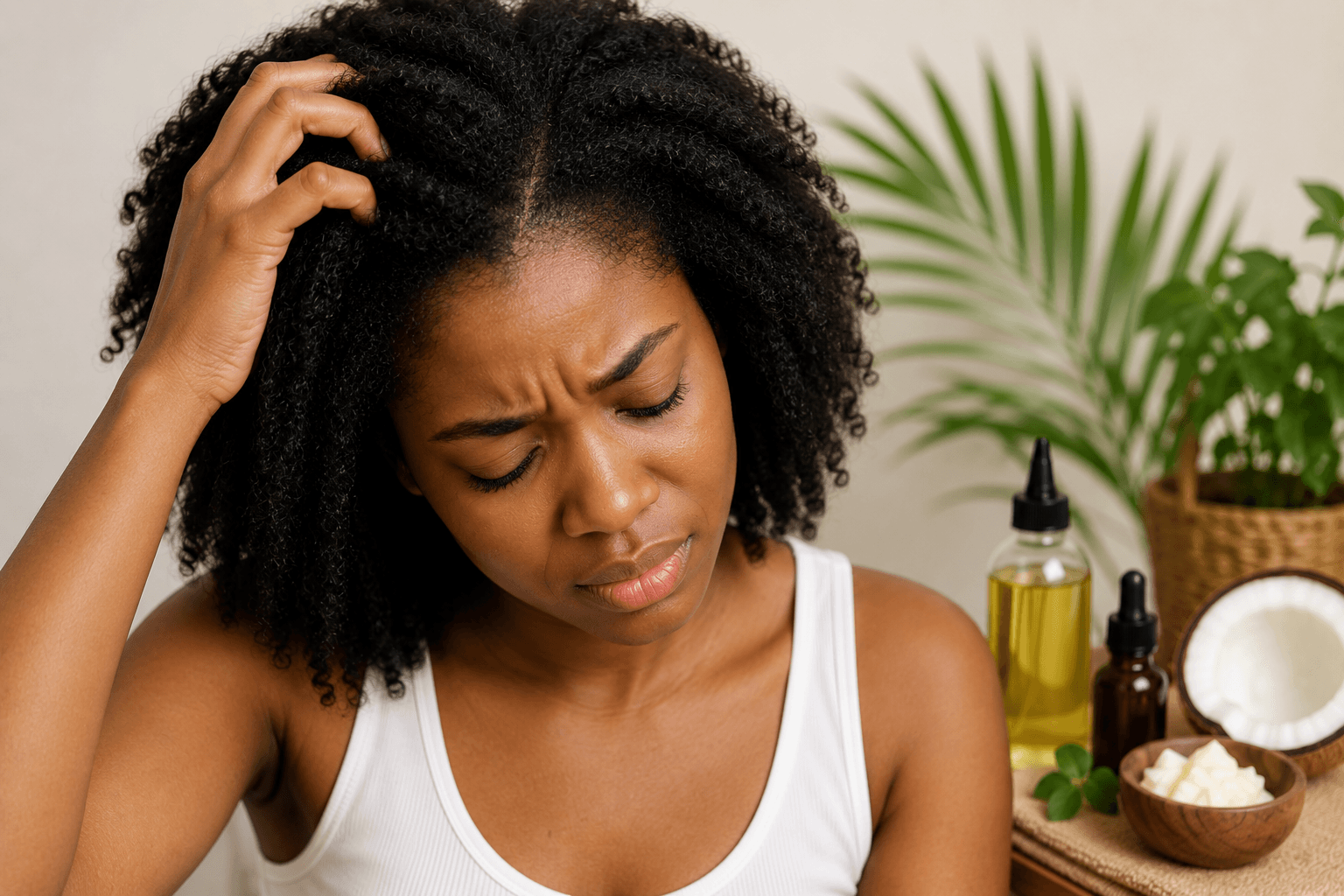
An itchy scalp can be uncomfortable, frustrating, and sometimes even embarrassing. Constant scratching, irritation, and flakes can make it difficult to feel confident about your hair and scalp health.
The good news is that many cases of itchy scalp can be managed naturally with proper hair care habits and nourishing ingredients.
In this article, we’ll explore the common causes of itchy scalp and the best natural ways to soothe irritation and maintain a healthier scalp.
What Causes an Itchy Scalp?
Several factors can contribute to scalp irritation, including:
- Dry scalp
- Product buildup
- Dandruff
- Harsh hair products
- Excess oil
- Sweat and dirt accumulation
- Allergic reactions
- Poor scalp hygiene
Identifying the cause can help you choose the best treatment for your scalp.
1. Keep Your Scalp Clean
One major cause of scalp itching is buildup from oils, sweat, and hair products.
Washing your hair regularly helps remove dirt and keeps your scalp fresh.
Tips:
- Use a gentle sulfate-free shampoo
- Avoid overwashing your hair
- Rinse thoroughly after applying products
- Clean protective styles properly
A clean scalp creates a healthier environment for hair growth.
2. Moisturize Your Scalp Naturally
Dry scalp often leads to irritation and itching.
Natural oils can help restore moisture and calm inflammation.
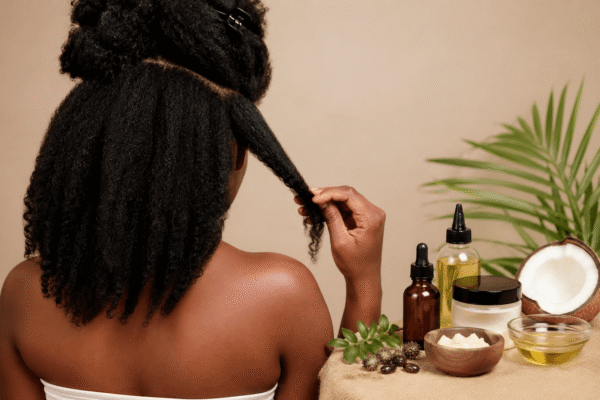
Good natural oils include:
- Coconut oil
- Tea tree oil
- Castor oil
- Olive oil
- Peppermint oil
Massage small amounts into your scalp to help reduce dryness and improve circulation.
3. Avoid Harsh Hair Products
Some shampoos, gels, and sprays contain chemicals that can irritate the scalp.
Ingredients that may cause irritation include:
- Sulfates
- Alcohol-based products
- Artificial fragrances
- Harsh preservatives
Switching to gentler, natural hair products may help reduce itching significantly.
4. Don’t Scratch Excessively
Although scratching may provide temporary relief, excessive scratching can damage the scalp and lead to inflammation or infection.
Instead:
- Apply soothing oils
- Use cool water rinses
- Massage your scalp gently
- Keep your scalp moisturized
Gentle care is important for long-term scalp health.
5. Use Tea Tree Oil Carefully
Tea tree oil is known for its natural antibacterial and antifungal properties.
It may help reduce:
- Dandruff
- Scalp irritation
- Mild fungal issues
- Product buildup
Important:
Always dilute tea tree oil before applying it directly to the scalp.
6. Protect Your Scalp From Excessive Dryness
Weather conditions like heat, cold air, and harmattan can dry out your scalp and increase itching.
To protect your scalp:
- Cover your hair when outdoors
- Moisturize regularly
- Drink enough water
- Avoid extremely hot water when washing hair
Hydration is essential for maintaining scalp comfort.
7. Watch for Product Buildup
Using too many oils, creams, or styling products without proper cleansing can clog the scalp and cause irritation.
Signs of buildup include:
- Itching
- Greasy scalp
- Flakes
- Unpleasant odor
Clarifying your scalp occasionally can help remove excess residue.
8. Maintain a Healthy Diet
Your scalp health is connected to your overall health.
Foods rich in vitamins and nutrients can support a healthier scalp.
Helpful nutrients include:
- Omega-3 fatty acids
- Zinc
- Vitamin E
- Iron
- Protein
Healthy eating can improve both scalp condition and hair growth.
9. Avoid Tight Hairstyles
Tight braids, wigs, and ponytails can irritate the scalp and increase sensitivity.
Protect your scalp by:
- Wearing looser styles
- Giving your scalp breaks between styles
- Avoiding excessive tension around edges
Comfortable hairstyles can help reduce scalp stress.
When to Seek Professional Help
If your itchy scalp becomes severe or does not improve, you may need to consult a dermatologist or hair care professional.
Seek help if you experience:
- Persistent redness
- Pain
- Bleeding
- Severe flakes
- Hair loss
- Signs of infection
Professional guidance can help identify underlying scalp conditions.
An itchy scalp can often be improved naturally with proper scalp care, moisturizing habits, and gentle products.
Keeping your scalp clean, hydrated, and free from harsh chemicals can help reduce irritation and support healthier hair growth over time.
At Royal Mane Hair Care, we believe healthy hair starts with a healthy scalp. Consistent care and nourishing products can make a big difference in keeping your scalp balanced, comfortable, and thriving naturally.